
Position / Vision
Conceptual arguments, definitions, provocations, or research agendas.
5th edition · IEEE VR 2027
The 5th International Workshop on Spatial Memory in XR
From experiences we capture to experiences we can revisit. A participatory workshop to define the field, connect perspectives, and build a shared research agenda.
Melbourne, Australia · February 27–28, 2027
IEEE VR workshop dates. Our half-day slot will be announced once confirmed.
A shared question
XRMemory investigates how spatially situated experiences can be captured, represented, preserved, and re-experienced through XR.
Our central task is to develop a provisional shared definition. Which relationships among experience, spatial context, embodiment, and interaction distinguish XRMemory? Cases from lifelogging, telepresence, digital twins, and memory augmentation will help us test the boundaries.
We welcome examples and counterexamples, evidence and uncertainty. The aim is a usable framework that records both agreements and unresolved differences.
Defining XRMemory requires examining embodied re-experiencing and 3D interaction alongside the systems that enable them. IEEE VR brings together the immersive-systems, interaction, and human-factors perspectives needed to connect these questions.
A working session
Organizer research snapshots, short paper presentations, and informal poster-style discussion provide material for collaborative work. Mixed groups will test definitions on shared cases and build the outline of a joint paper or white paper.
The planned four-hour session includes a 30-minute break and will adapt to the assigned half-day slot. Times below are elapsed from the session start.
The workshop goals, open questions, and the task ahead.
The six organizers briefly share their ongoing XRMemory-related research and areas of interest, around 3 minutes each, to open the discussion.
Approximately six accepted papers, with up to 5 minutes per talk. Each brings a case, boundary challenge, or evaluation question.
Browse posters, printed papers, or laptop displays and talk freely with authors about their work. This session is for the accepted papers; it is not a separate submission track.
Test boundaries, examples, and candidate criteria; build a concept map.
Connect research, evaluation, and ethics questions to the joint document.
Compare outputs, prioritize questions, and record disagreements.
Agree on next actions and a plan for developing the manuscript.
Everyone contributes. We expect 30–50 participants. An accepted paper is not required to participate. We welcome researchers, practitioners, and students; facilitators will include non-author attendees in every discussion activity.
Call for Contributions
We welcome papers of 2–6 pages, excluding references, that can stimulate discussion and help define XRMemory.
Conceptual arguments, definitions, provocations, or research agendas.
Completed or preliminary evidence, methods, systems, and findings.
Literature, taxonomies, research gaps, and evaluation approaches.
Ongoing projects, datasets, tools, prototypes, and infrastructures.
Bring something the group can work with: at least one example, counterexample, proposed criterion, or open question for the collective definition of XRMemory.
Planning ahead
The workshop has been accepted. The paper submission and notification dates below are planned; the submission portal and our assigned half-day slot will be announced here. All paper deadlines are 23:59:59 AoE (UTC−12).
Preferred workshop date: · One half-day · Melbourne, Australia. Final scheduling is subject to IEEE VR confirmation.
For workshops seeking IEEE publication, paper notifications must be sent by January 7, 2027. See the official IEEE VR workshop call.
Two complementary outputs
We intend to submit eligible accepted papers to the IEEE Digital Library, subject to IEEE requirements. Their final versions are due before the workshop, on the official camera-ready deadline.
The workshop discussions will inform a separate follow-up manuscript. A participant-reviewed synthesis is planned within four weeks; volunteer writing leads will develop the fuller manuscript with interested contributors, who will agree on its venue and authorship. Inclusion of this later synthesis in the IEEE VR 2027 proceedings is not assumed.
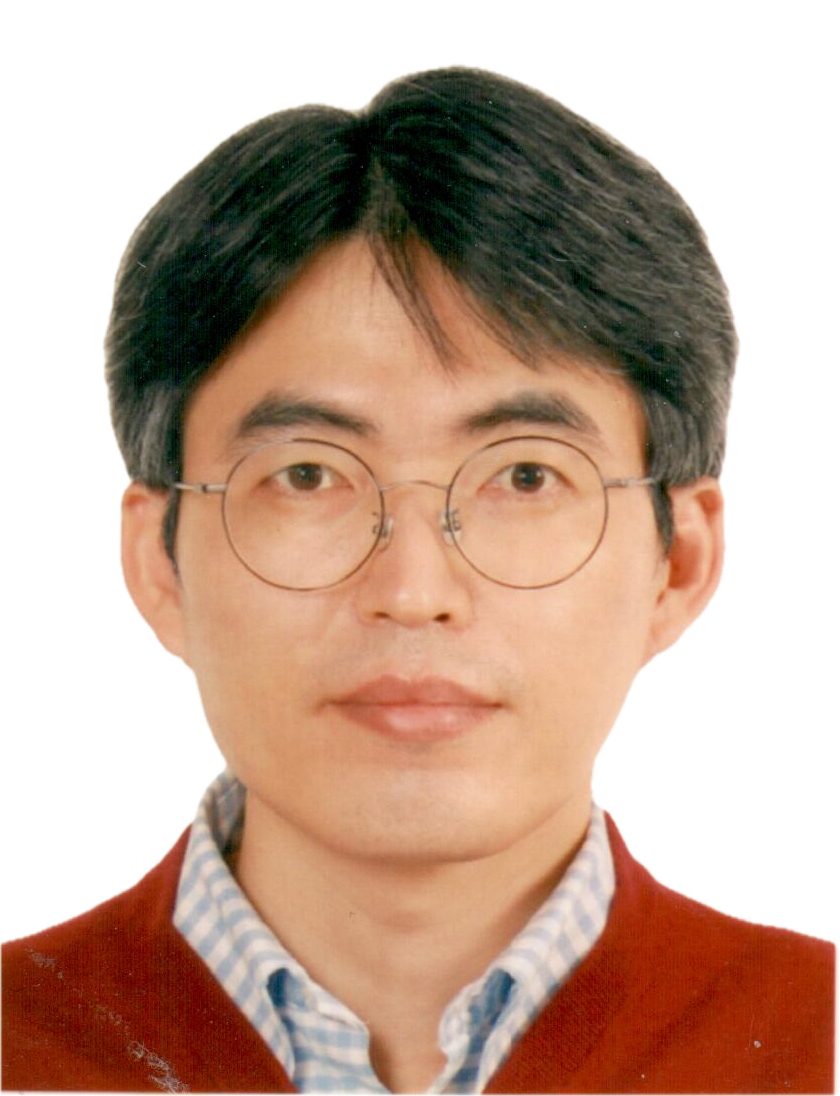
The organizing team
The six organizers will share ongoing research and interests, form the program committee, and facilitate mixed-disciplinary groups. Reviews will be assigned according to expertise and conflicts of interest, with complementary reviewers invited as needed.
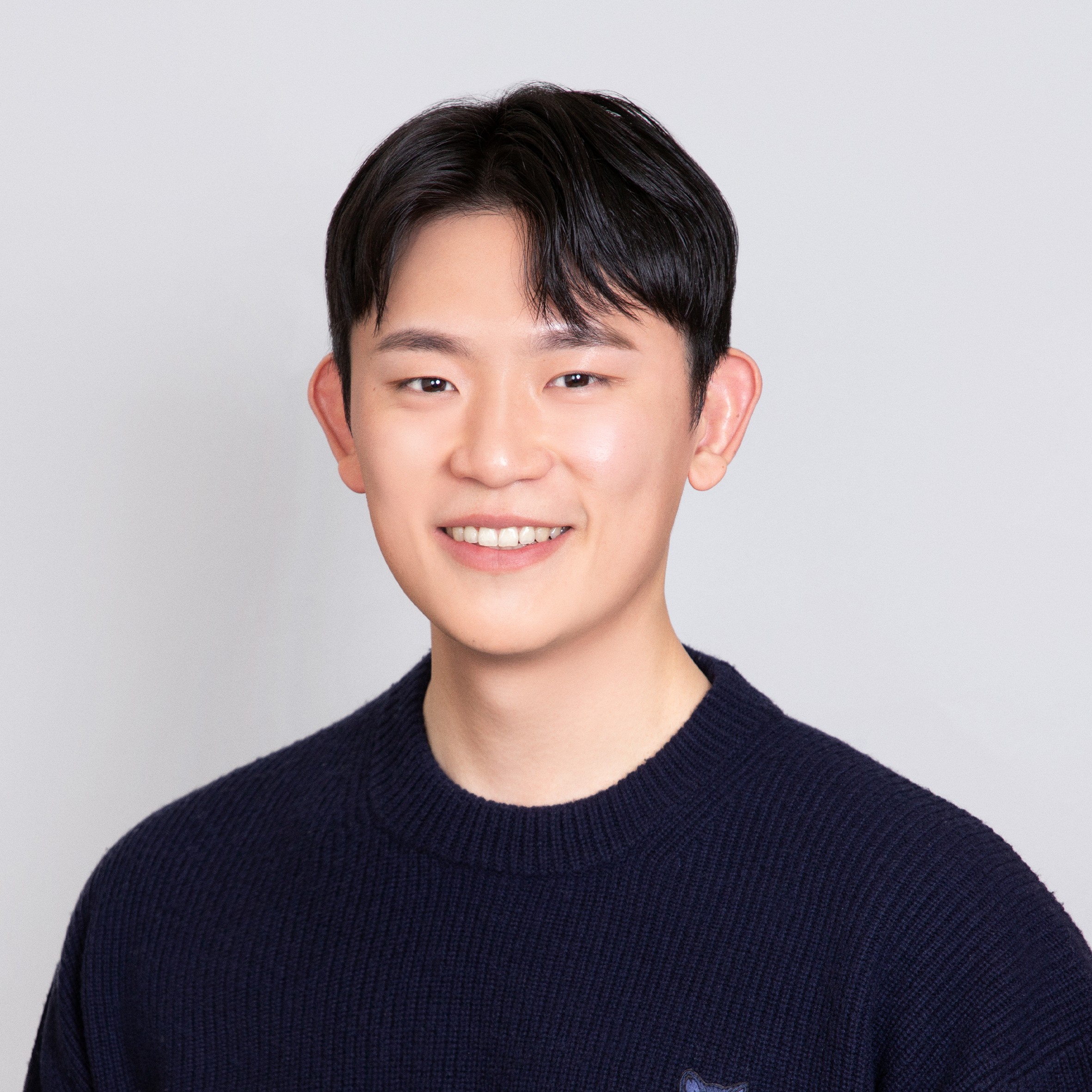
Lecturer (Principal organizer)
Department of Computer Science and Information Technology
La Trobe University

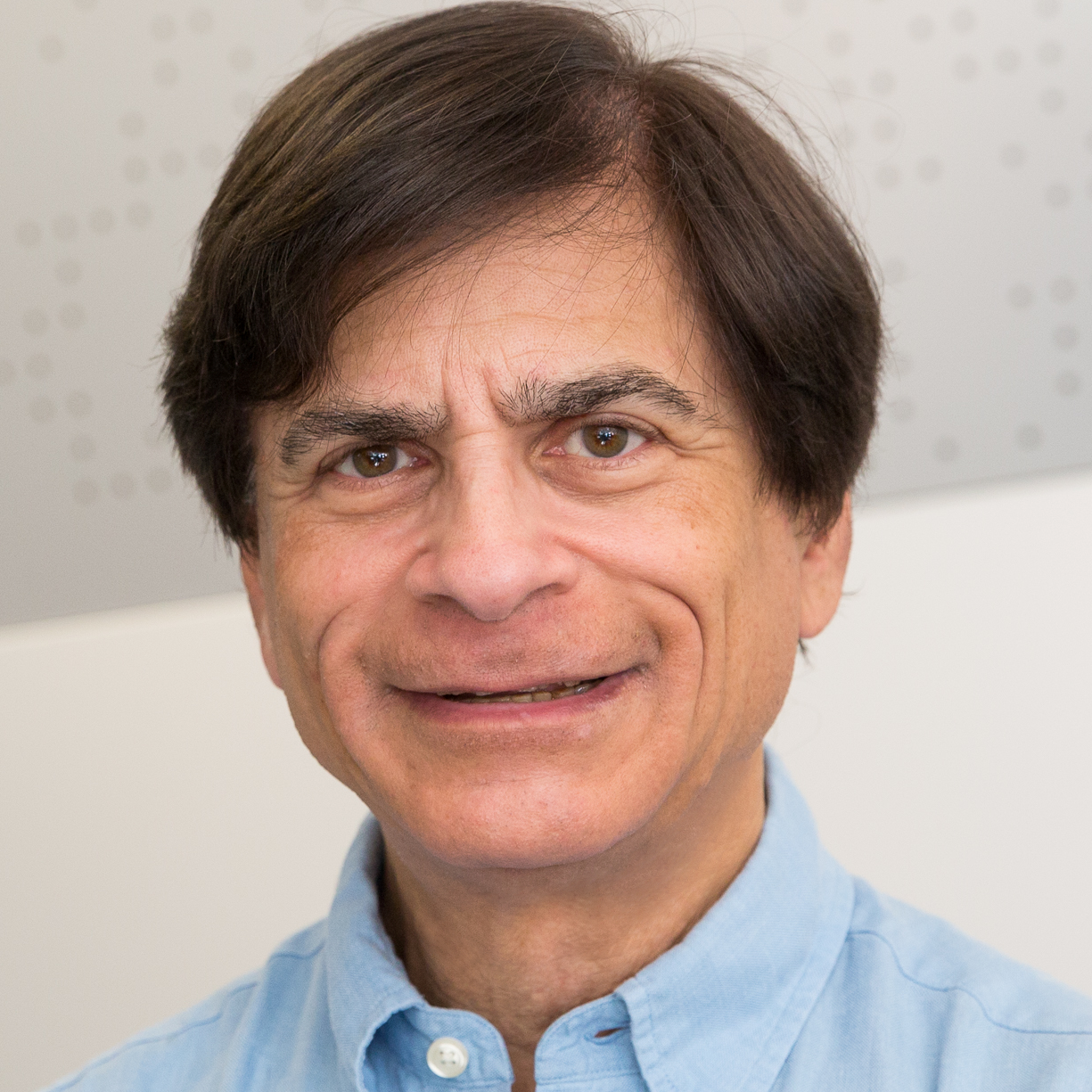
Associate Professor
Department of Electrical and Software Engineering, Schulich School of Engineering
University of Calgary
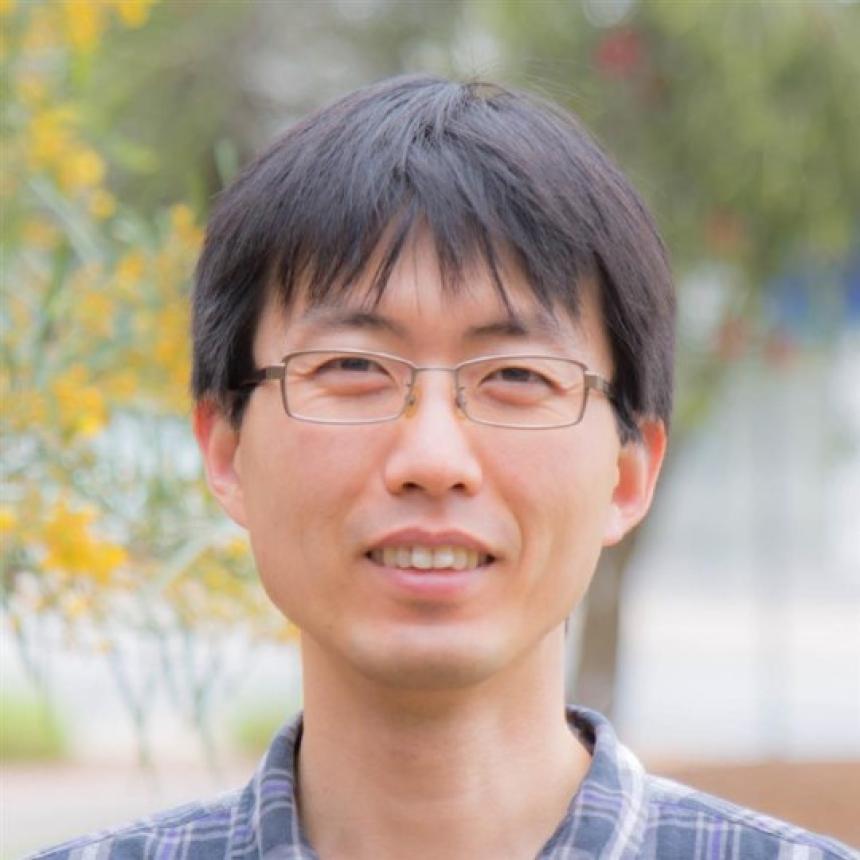
Associate Professor
School of Computer Science and Information Technology
Adelaide University
Questions about the fifth workshop? Contact principal organizer Dooyoung Kim at D.Kim@latrobe.edu.au.
The submission link and final program will be announced here once confirmed.
The Microsoft CMT service was used for managing the peer-reviewing process for this conference. This service was provided for free by Microsoft and they bore all expenses, including costs for Azure cloud services as well as for software development and support.